Ecclesiastical, environmental, euphonious – gifts of a full life
By Monde Ngwane
Bishop Peter Lee and his wife, Revd Gill Lee, met in their 20s while they were both living in England. Gill is from central London and Peter comes from the deep countryside of Norfolk, known for its “open, flat, beautiful” land. Peter’s upbringing included boarding school, leading to an exchange year in the mid-1960s in New England, USA, where he participated in a glee club choir. He describes this experience as “an overflow of a folk culture”, contrasting with his preference for classical choral music from a young age.
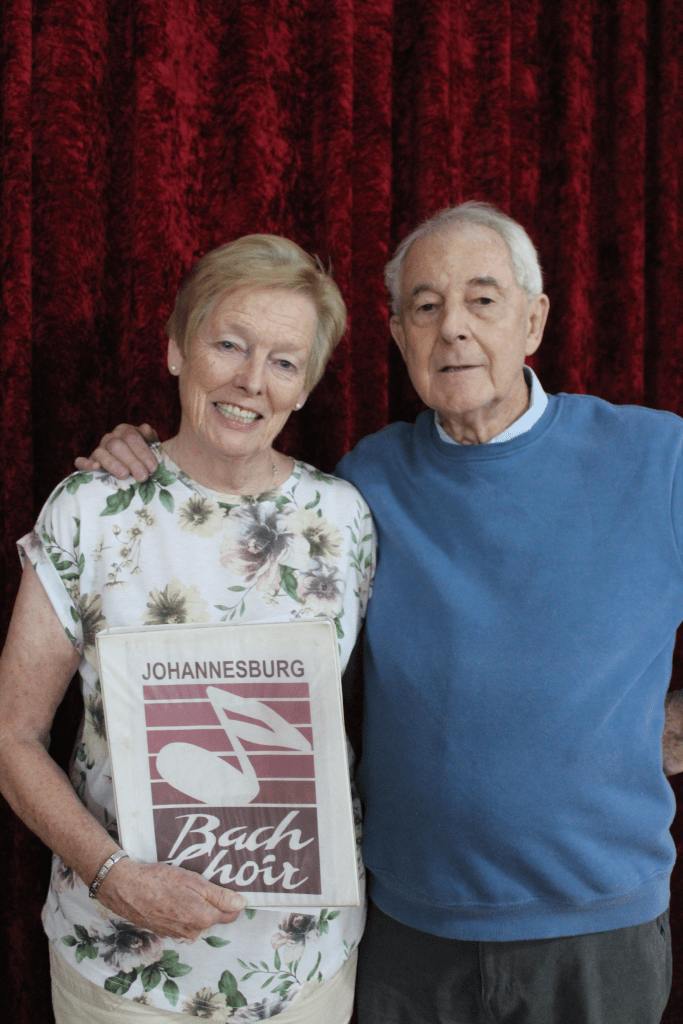
Peter’s path to ministry led him to become an ordained priest in London in 1973. He and Gill moved to South Africa in 1976, an historic year in which to change countries. Peter served at Christ Church, Addington in Durban. In 1980, they moved to Johannesburg and found themselves living amid the turmoil of the time as the Church sought to minister to those involved in overthrowing South Africa’s oppressive apartheid regime. Peter was drawn into (then) Bishop Desmond Tutu’s diocesan structures from 1985, serving Orchards, Alexandra, Yeoville and the Diocese of Johannesburg’s headquarters.
Chosen as the first black Archbishop of the Anglican Church of Southern Africa in 1986, Tutu was a significant figure against apartheid and a Nobel Peace Prize laureate. In 1990, Peter was consecrated Bishop of the Diocese of Christ the King in the southern parts of Johannesburg and Gauteng. He became a member of what was called “Tutu’s kitchen cabinet”, a team of trusted bishops that provided support and guidance during the national crisis.
Gill speaks French fluently and pursued a teaching career before marrying Peter in 1971. She was head of French at St Mary’s School, Waverley in Johannesburg, from 1990 to 2010 and then became the school chaplain. She was ordained a deacon in 1994 and a priest in 1995 by Peter. She served at St Mary’s but also as a priest of the Diocese of Christ the King. Despite arthritis limiting her guitar playing, she remains involved in choral singing.
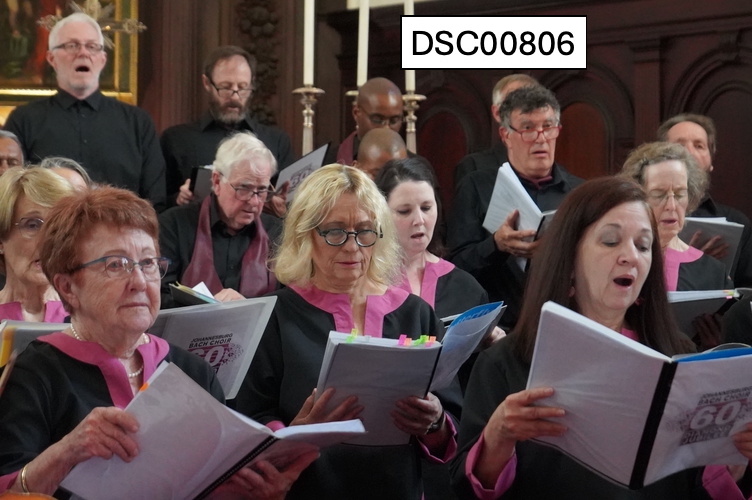
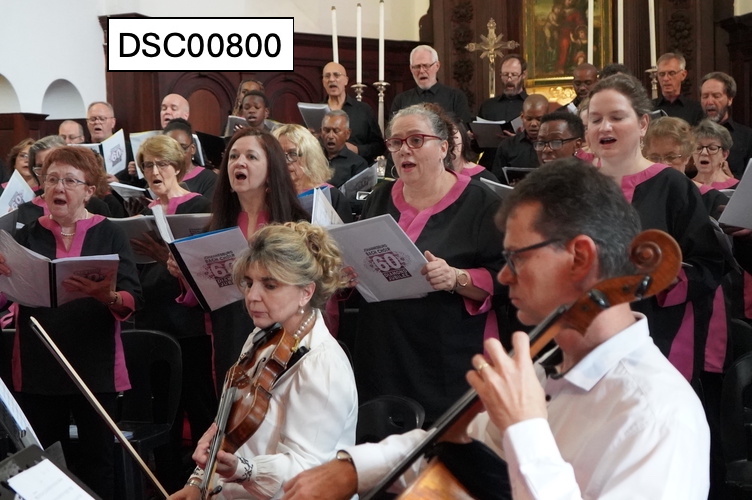
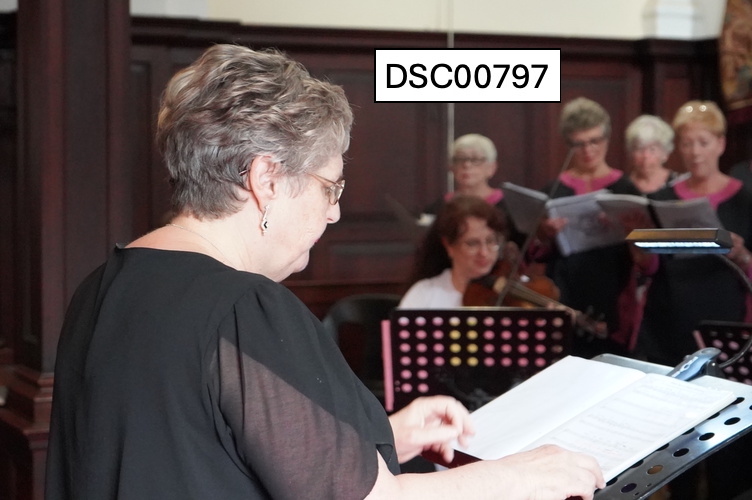
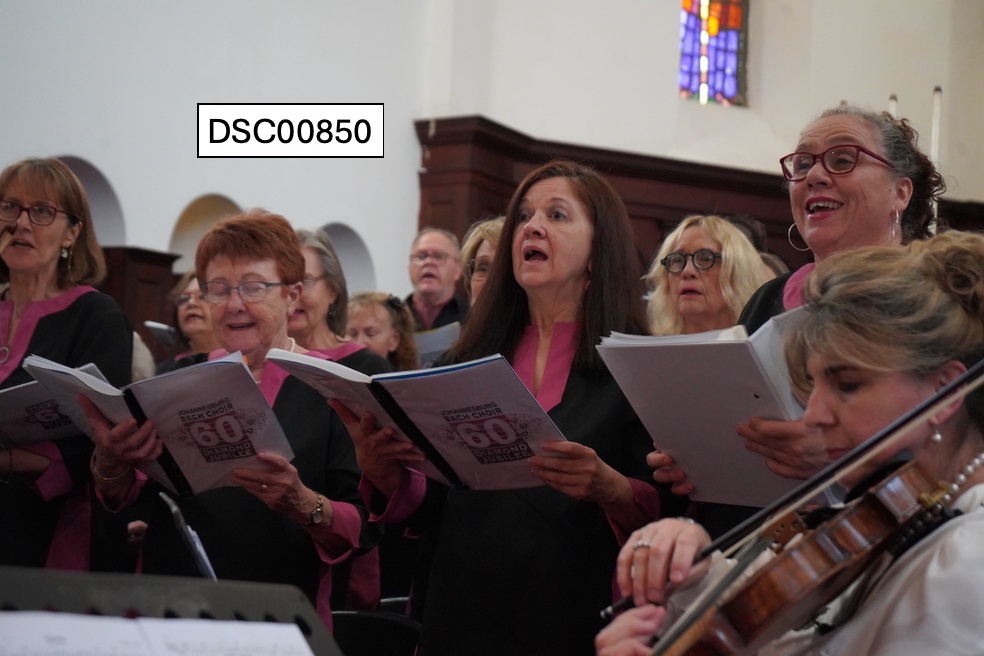
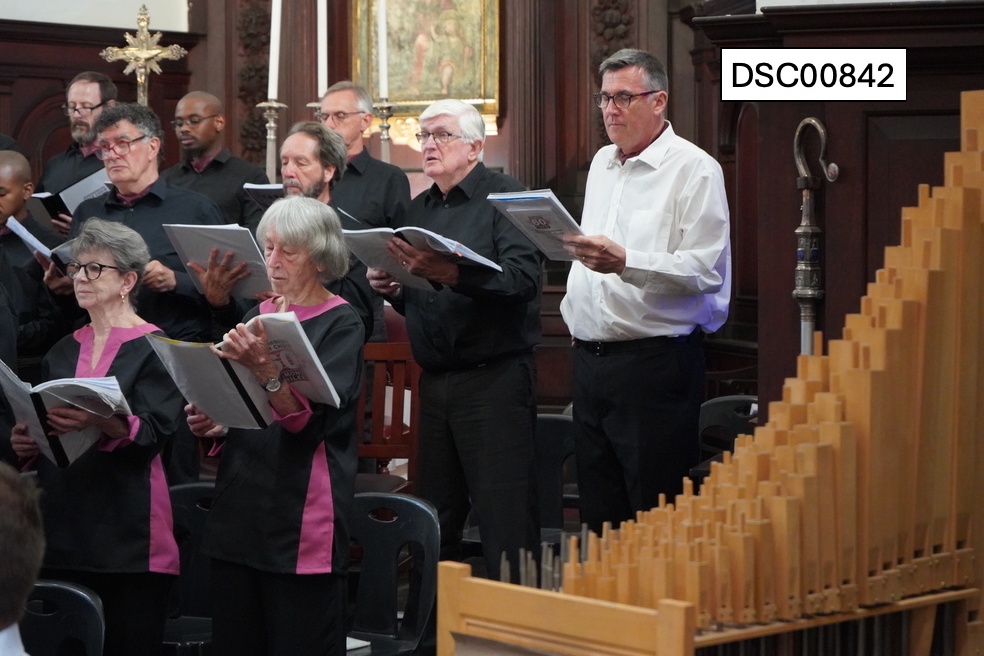
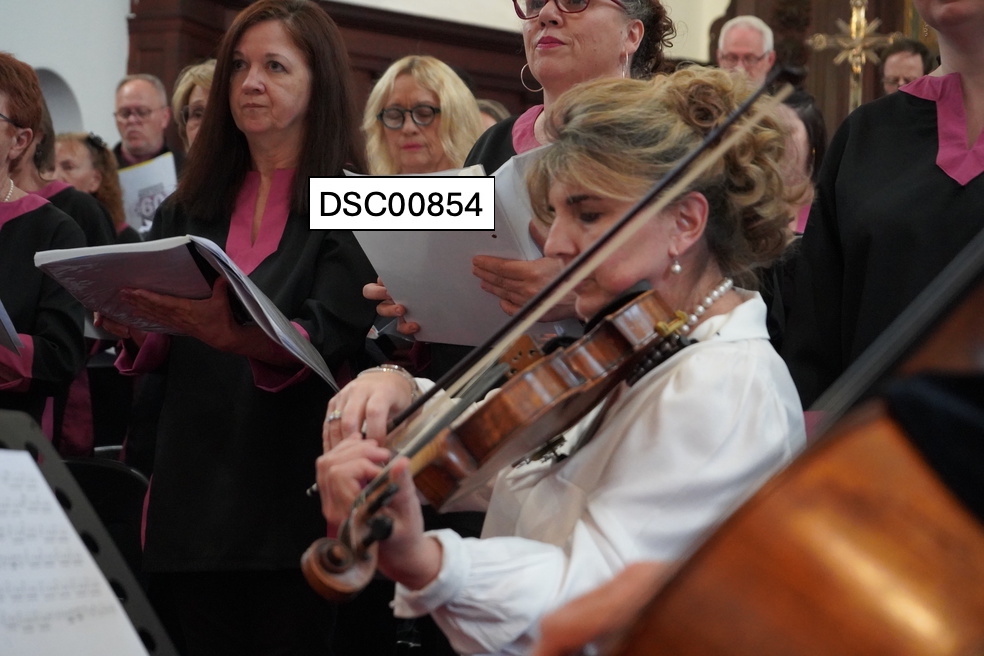
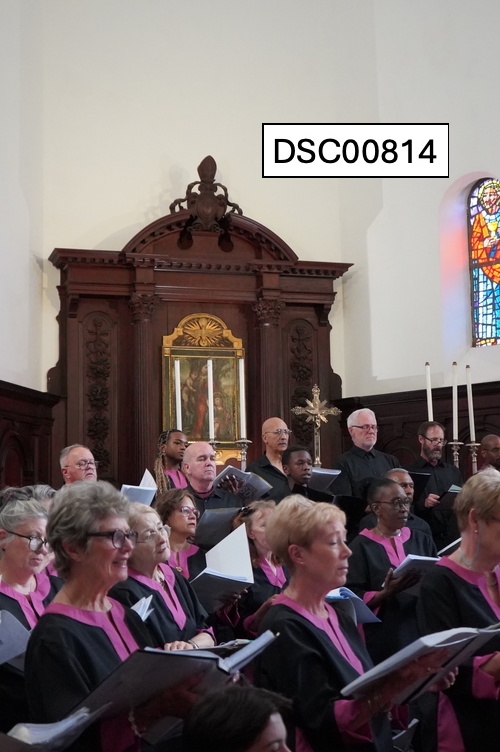
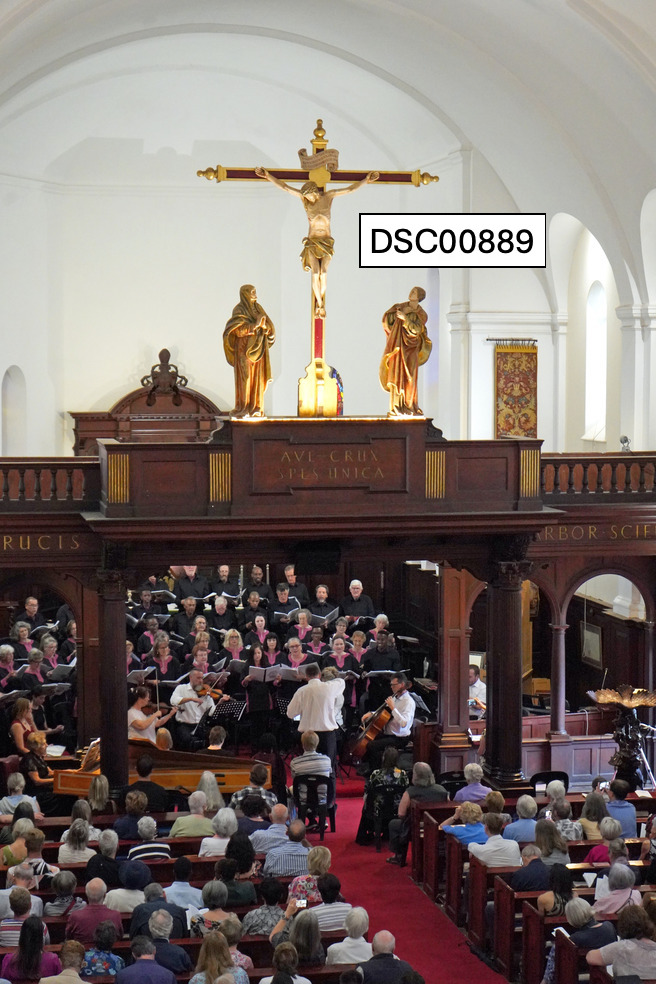
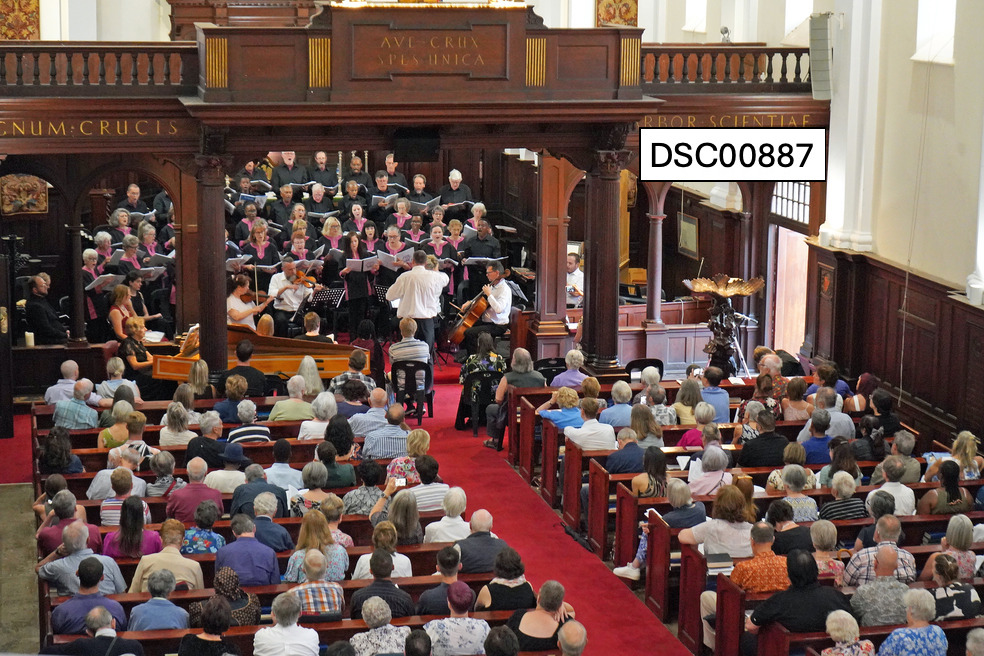
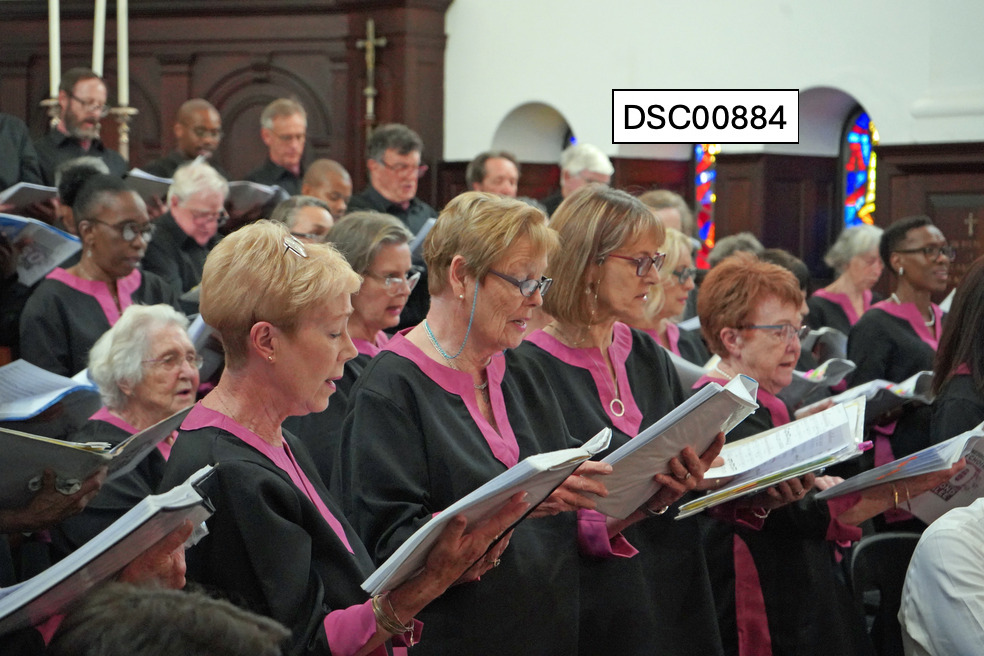
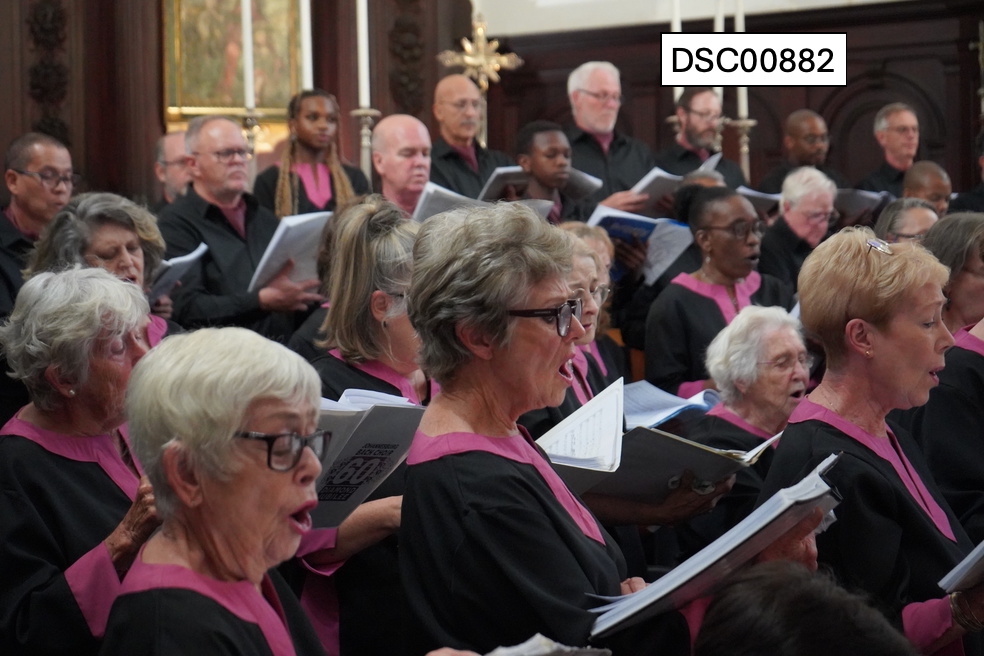
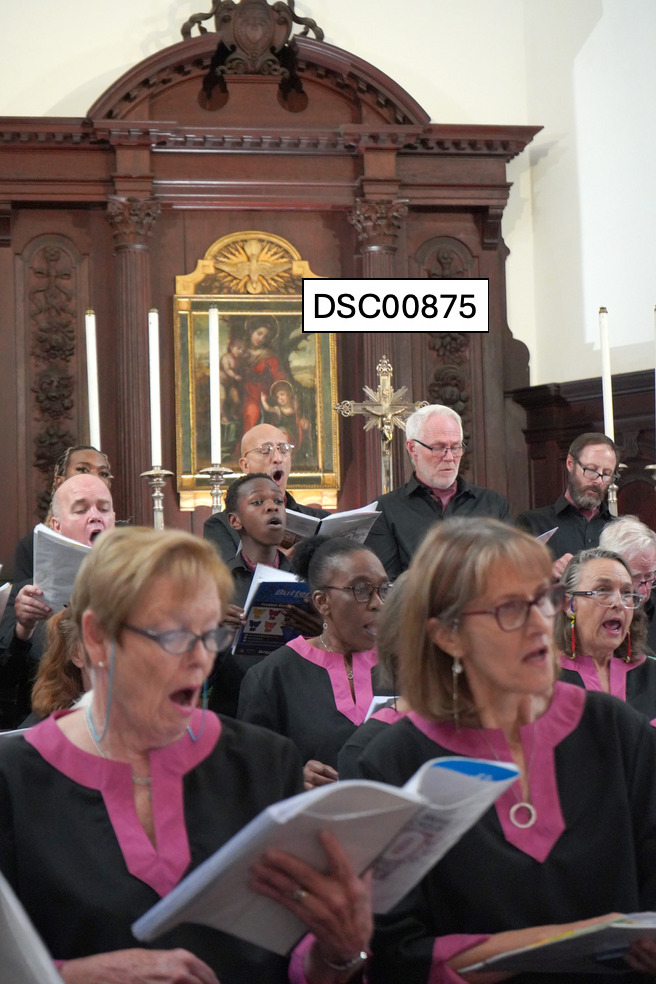
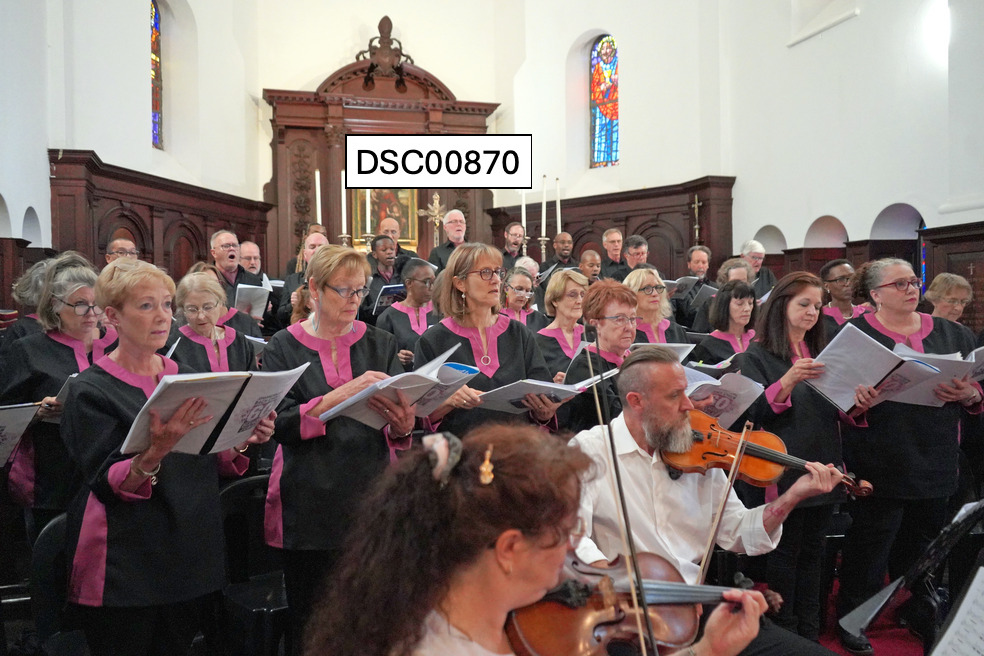
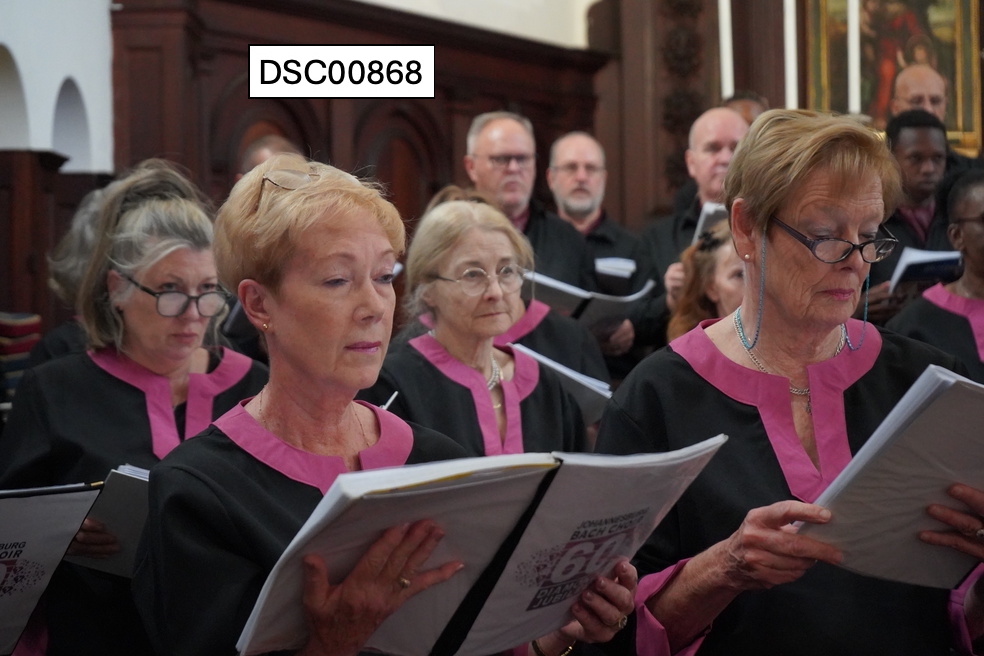
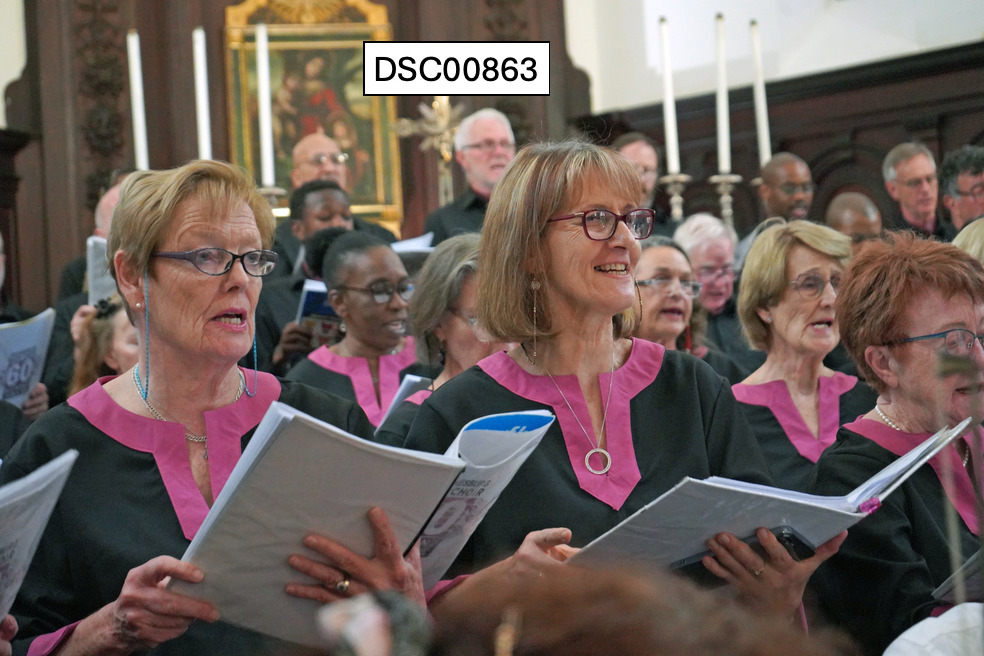
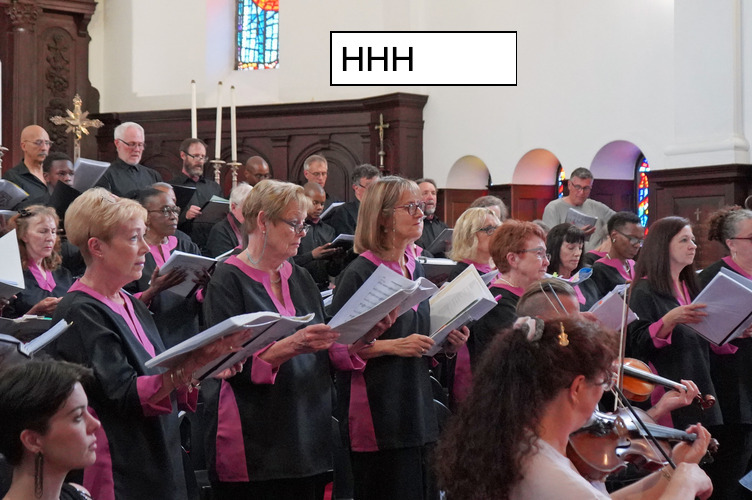
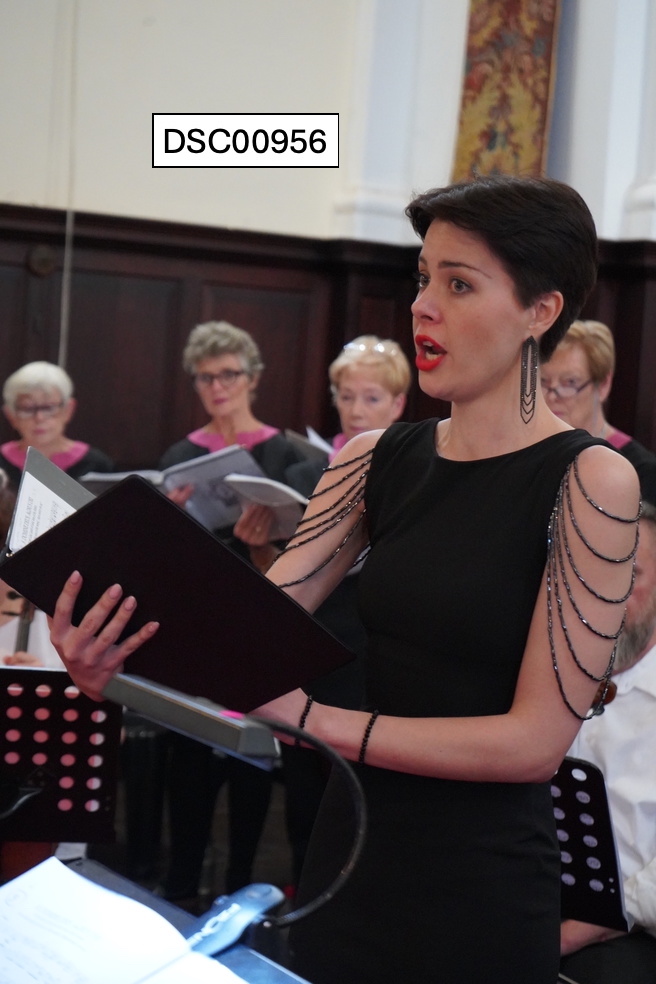
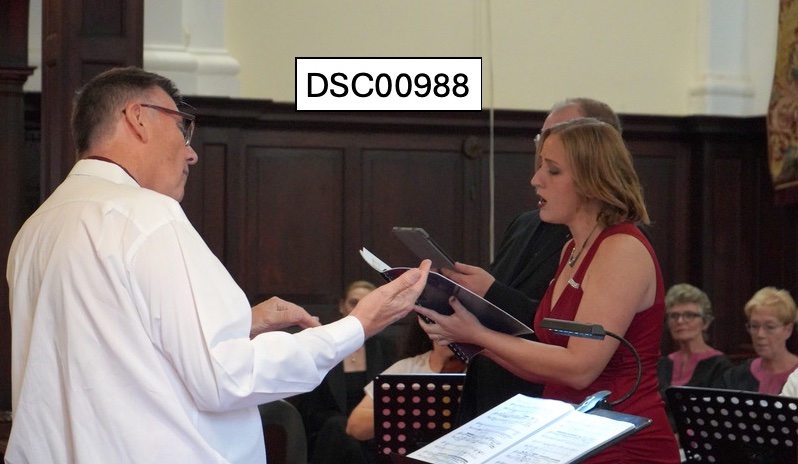
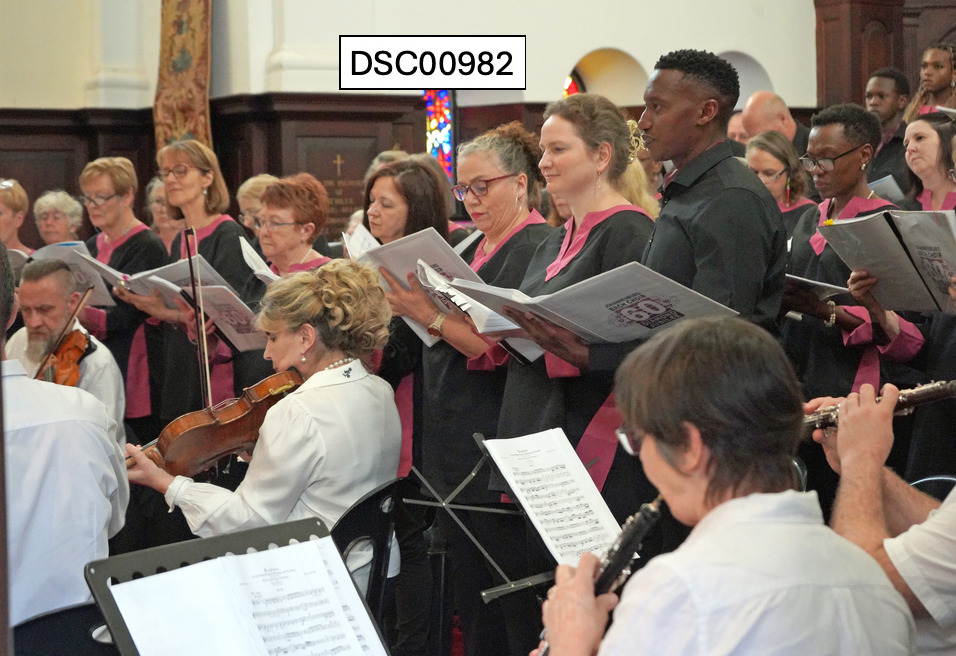
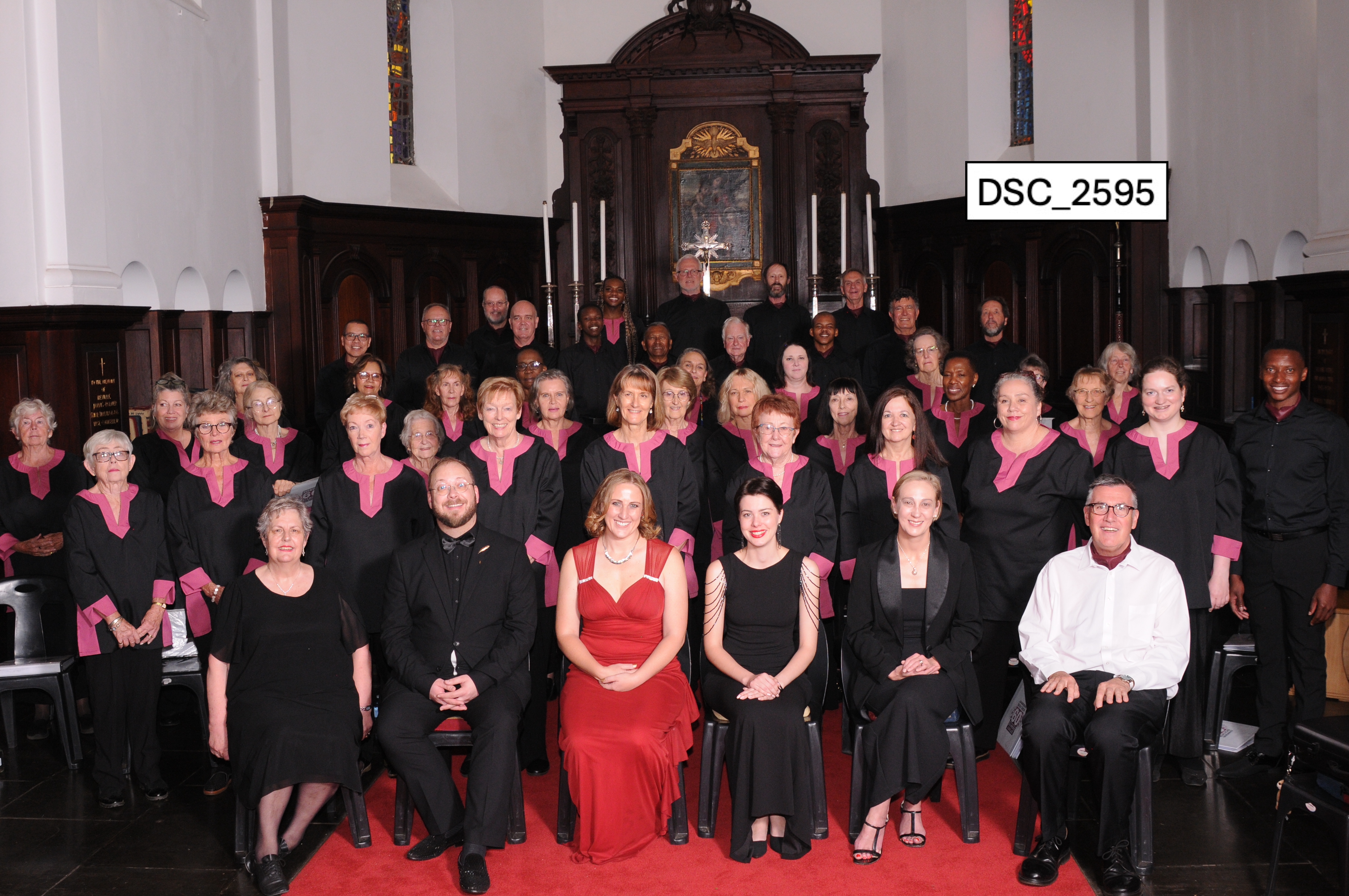
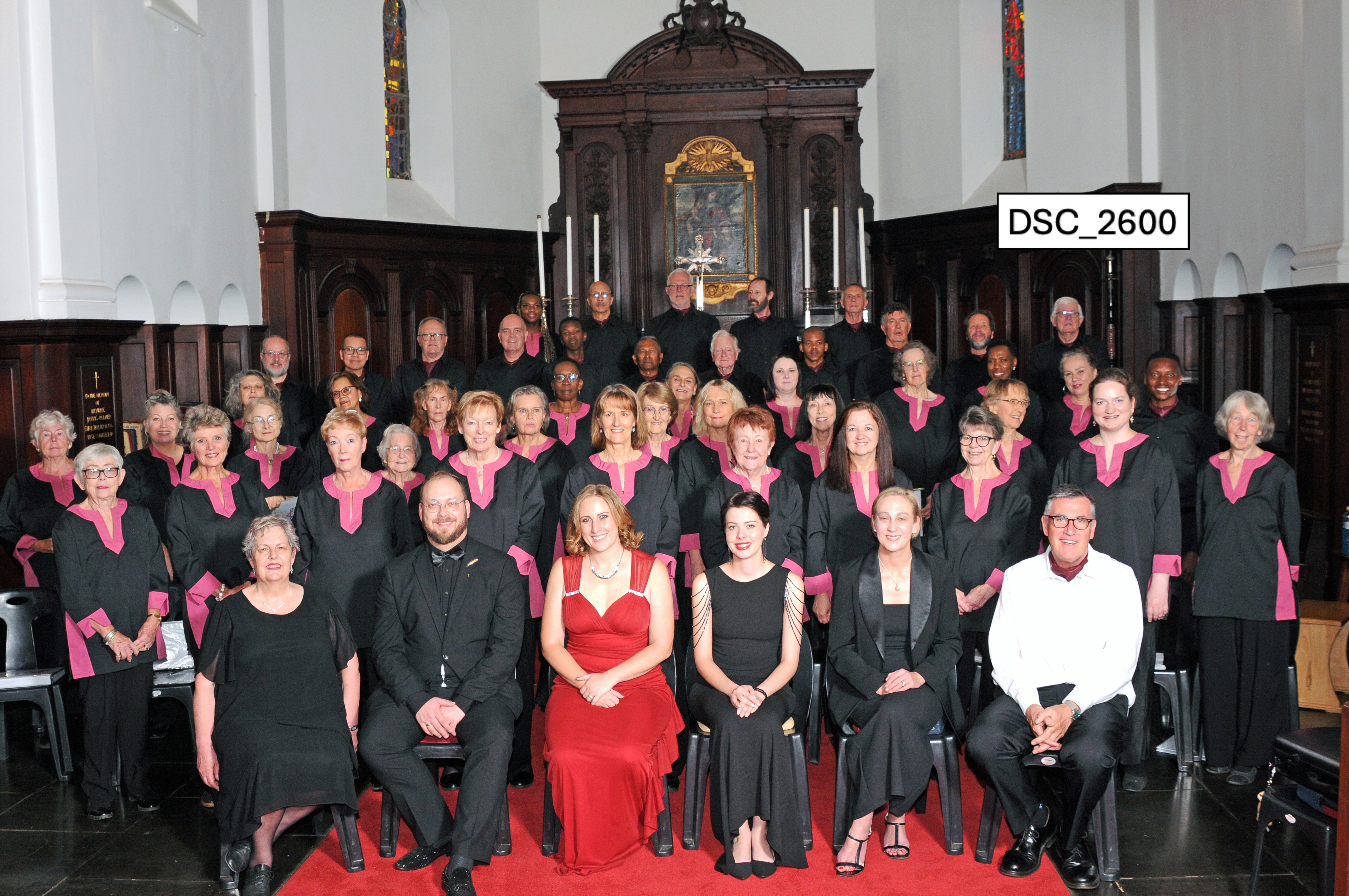
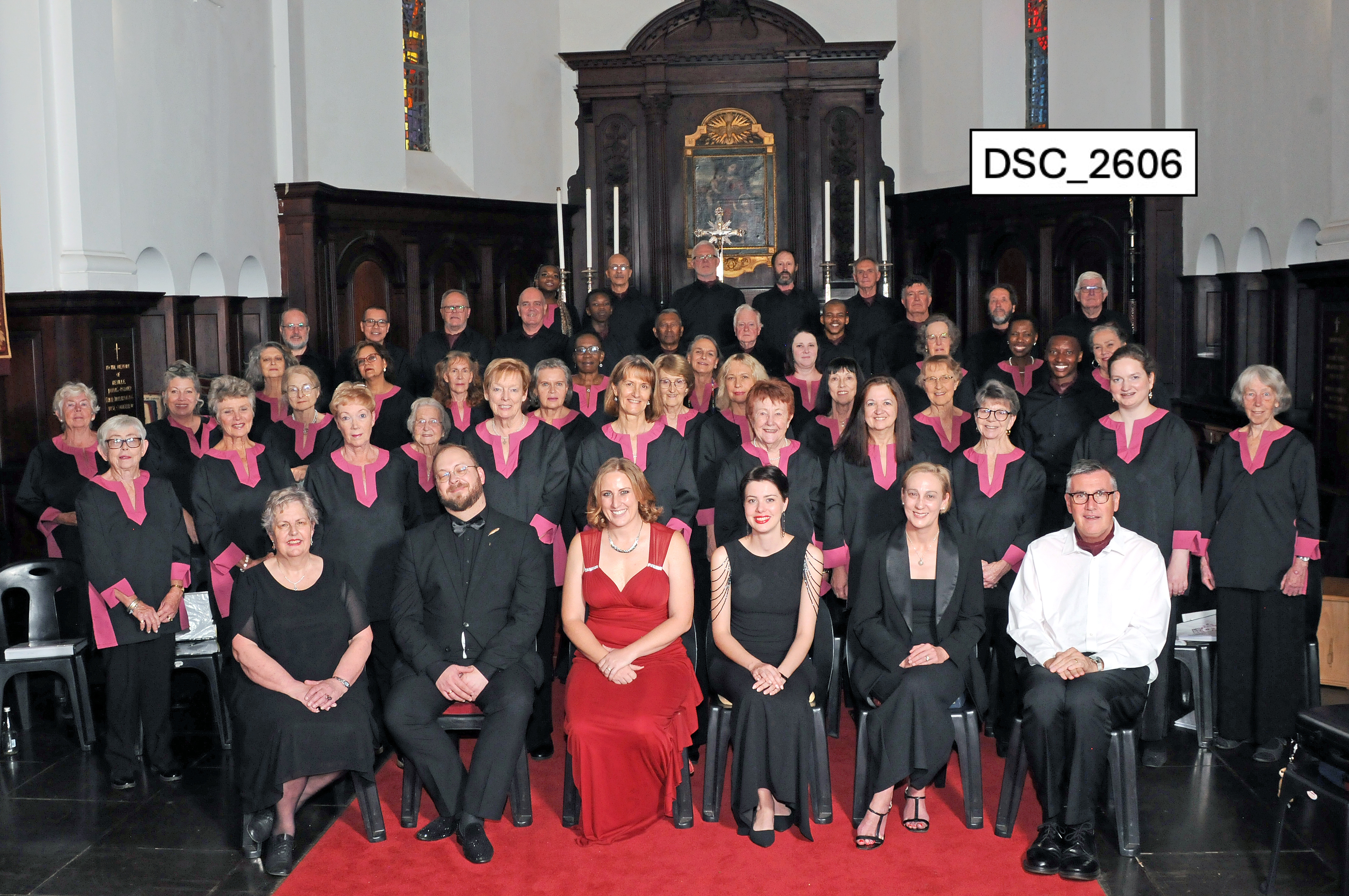
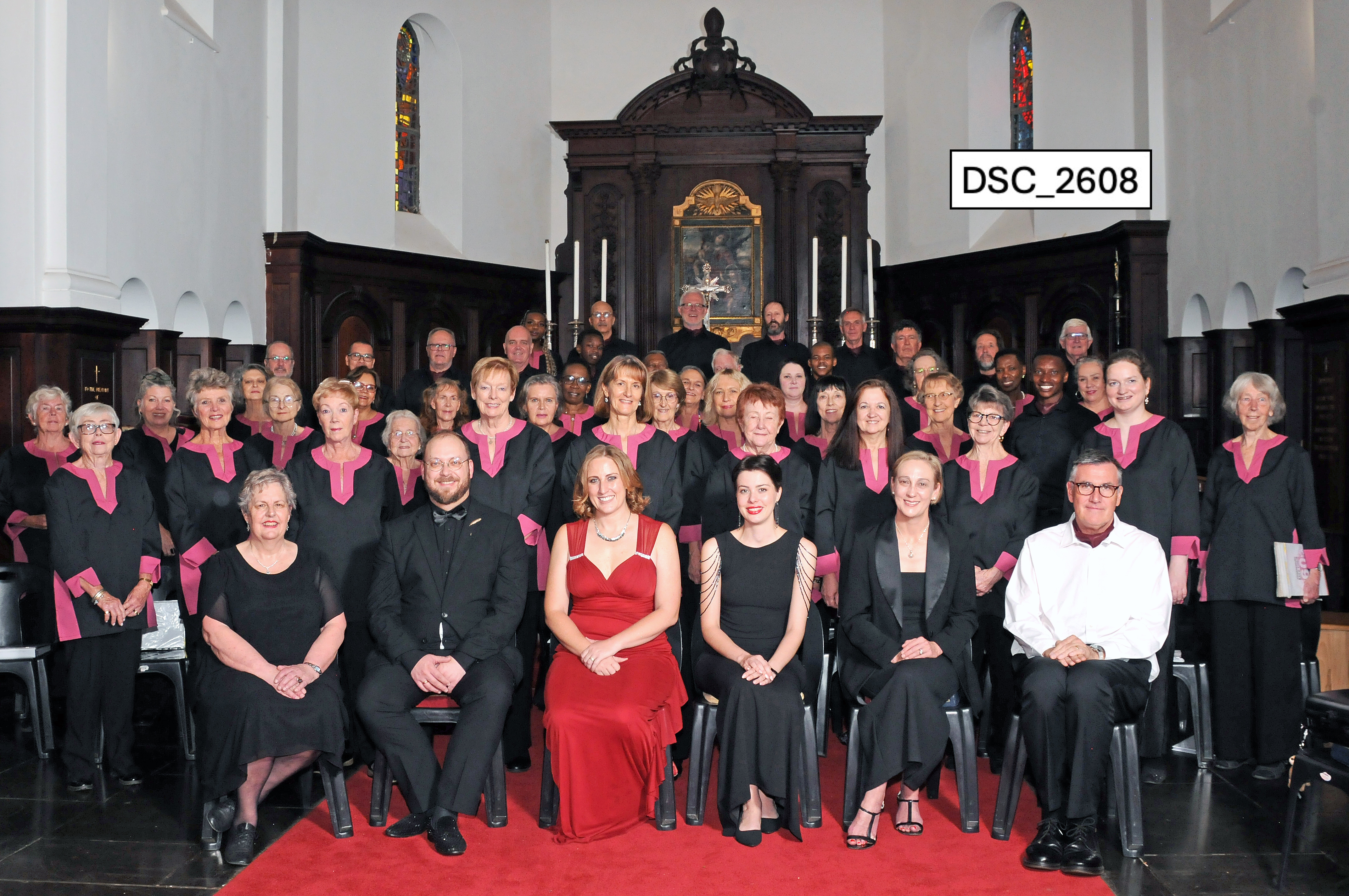
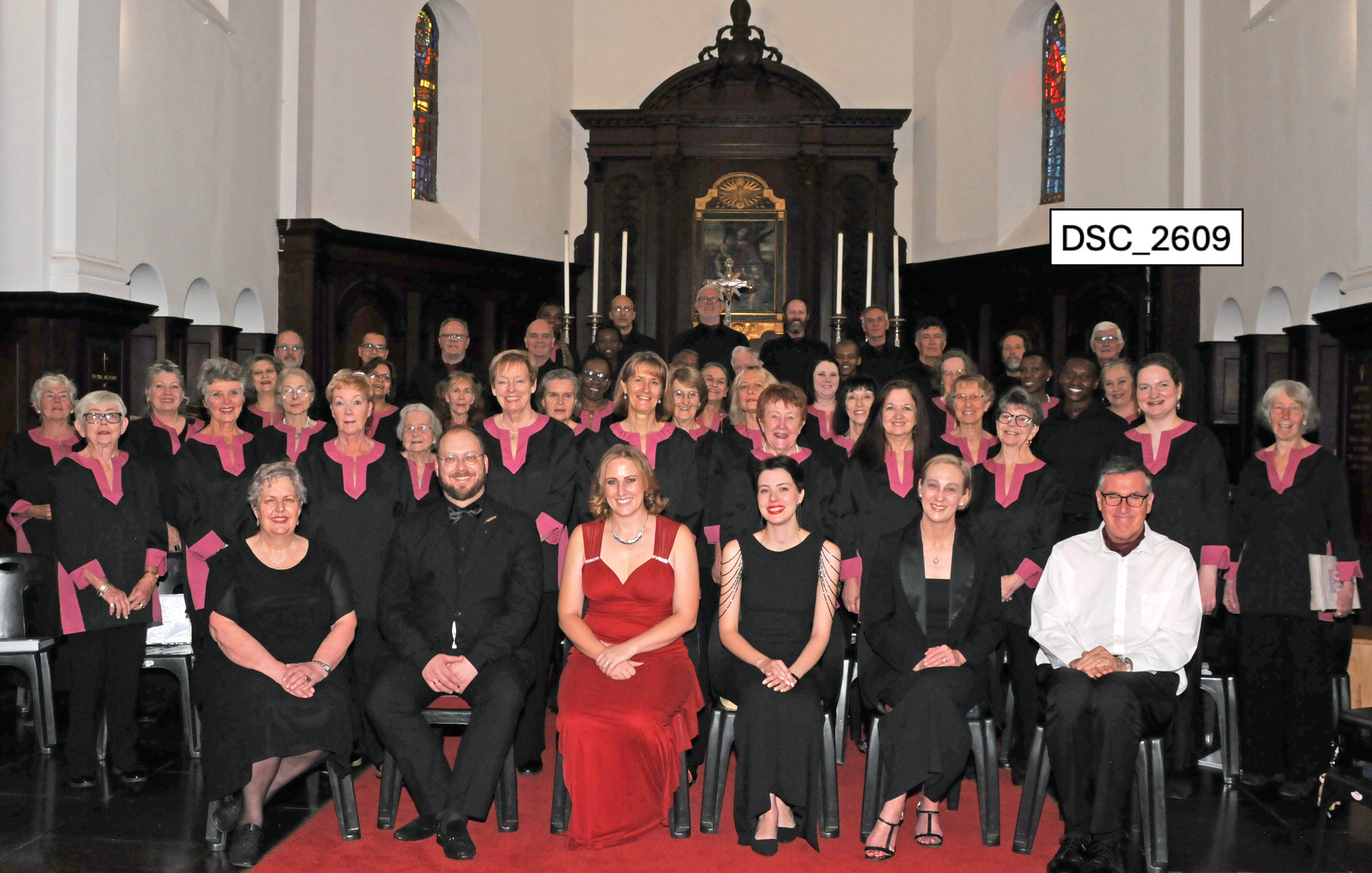
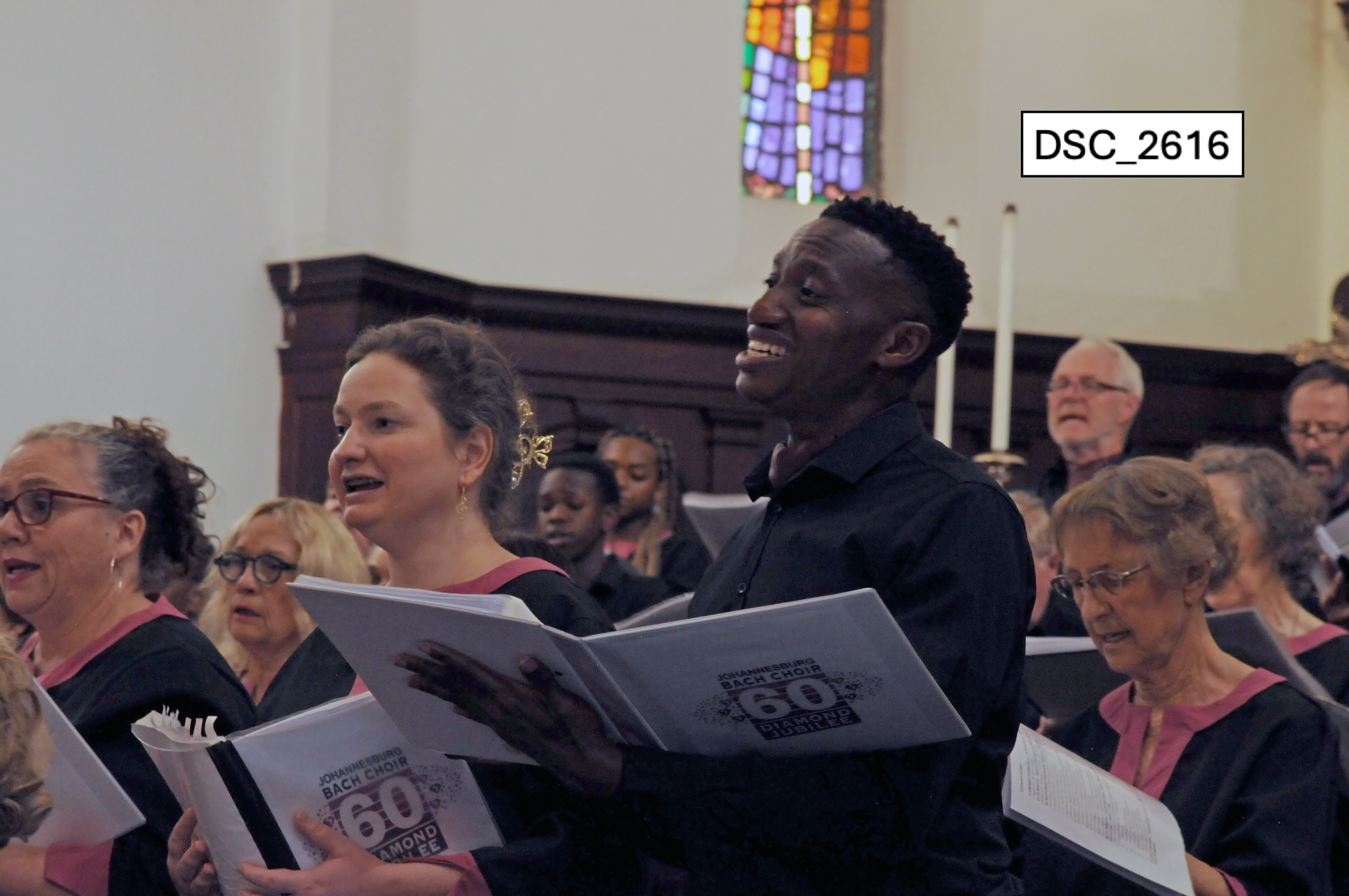
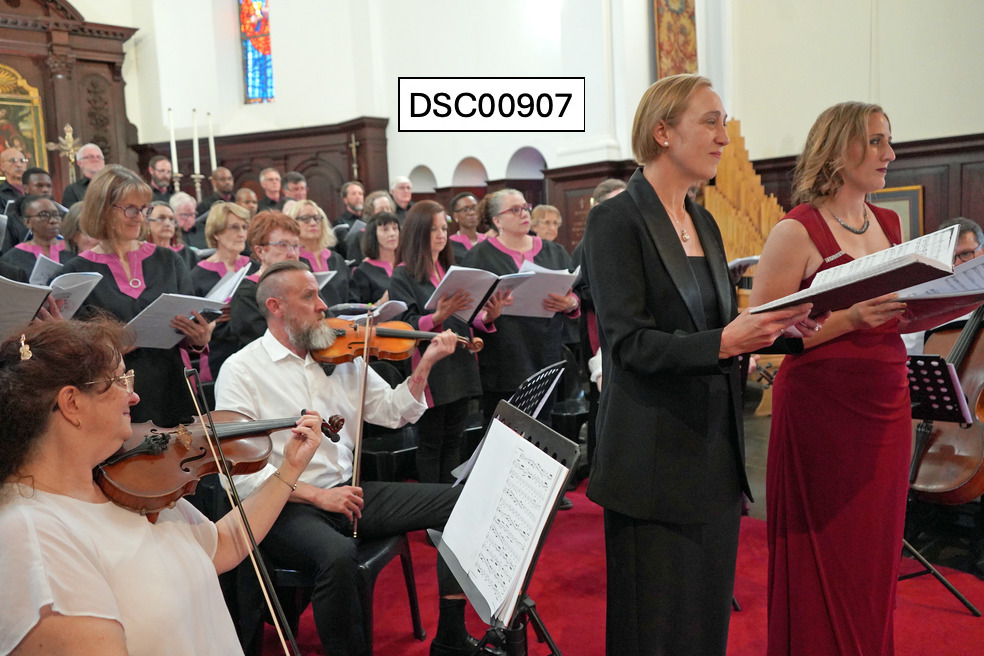
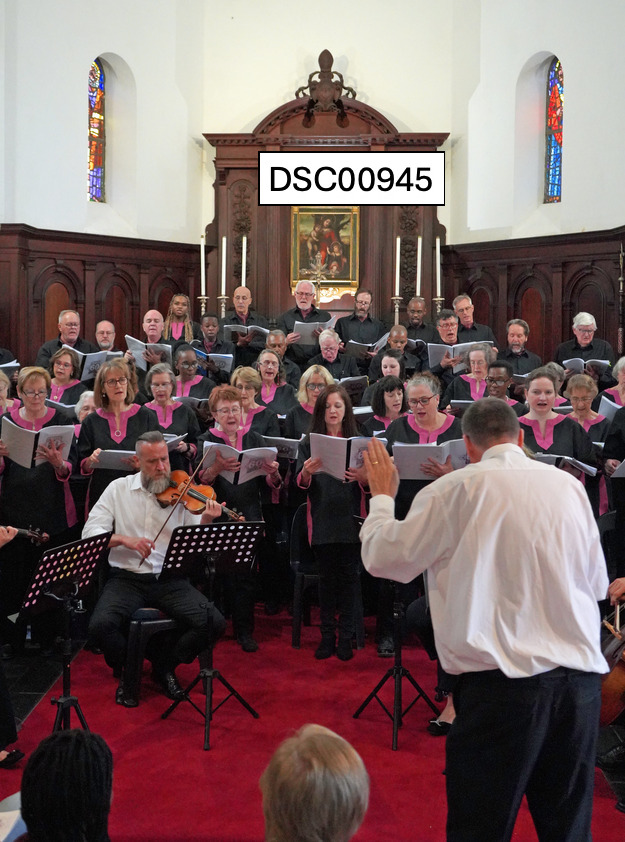
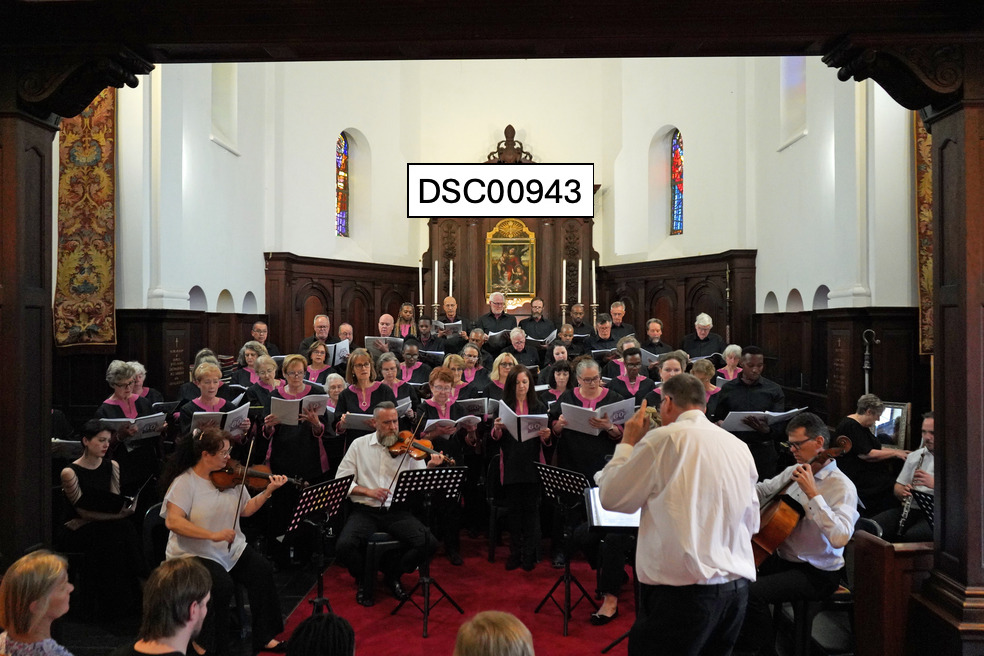
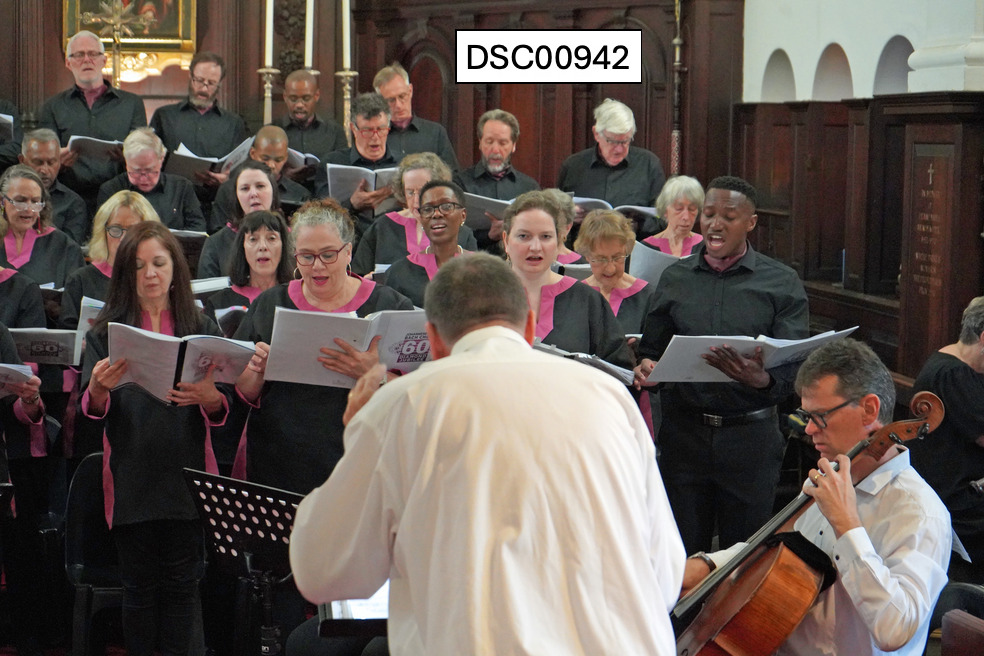
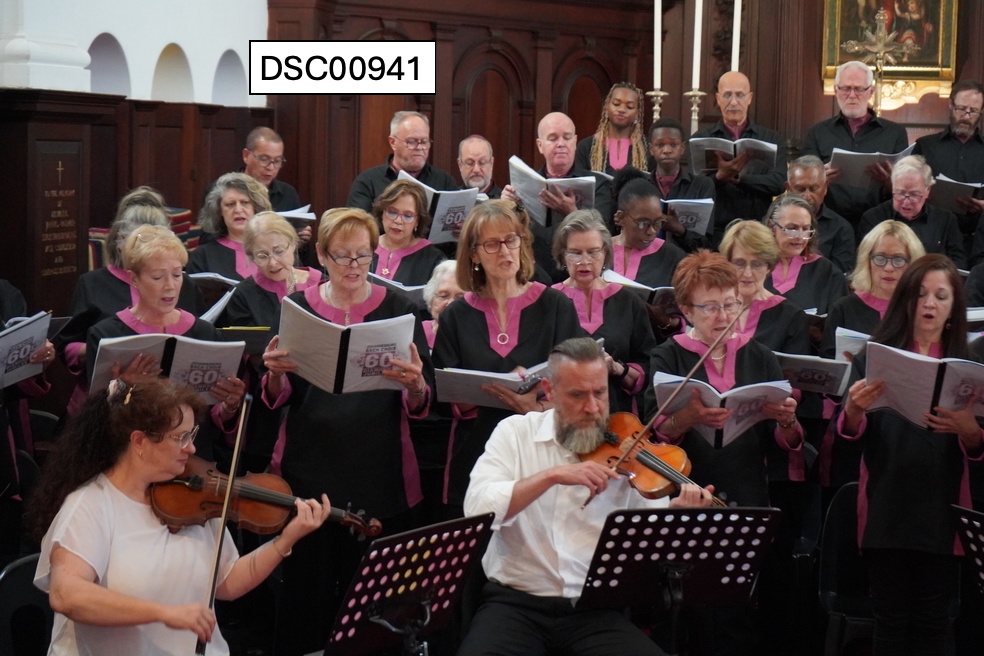
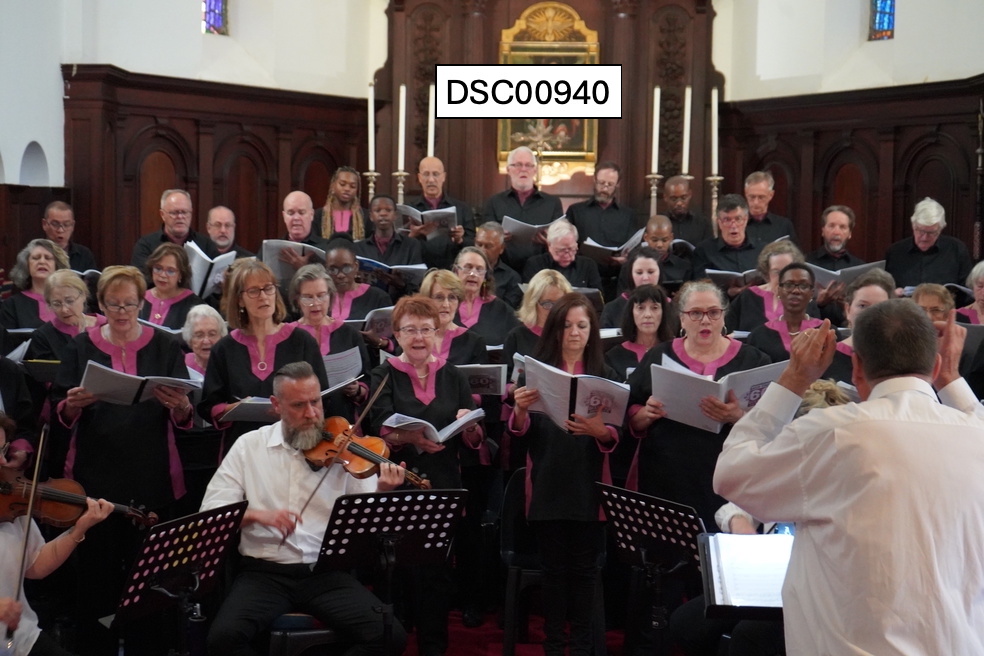
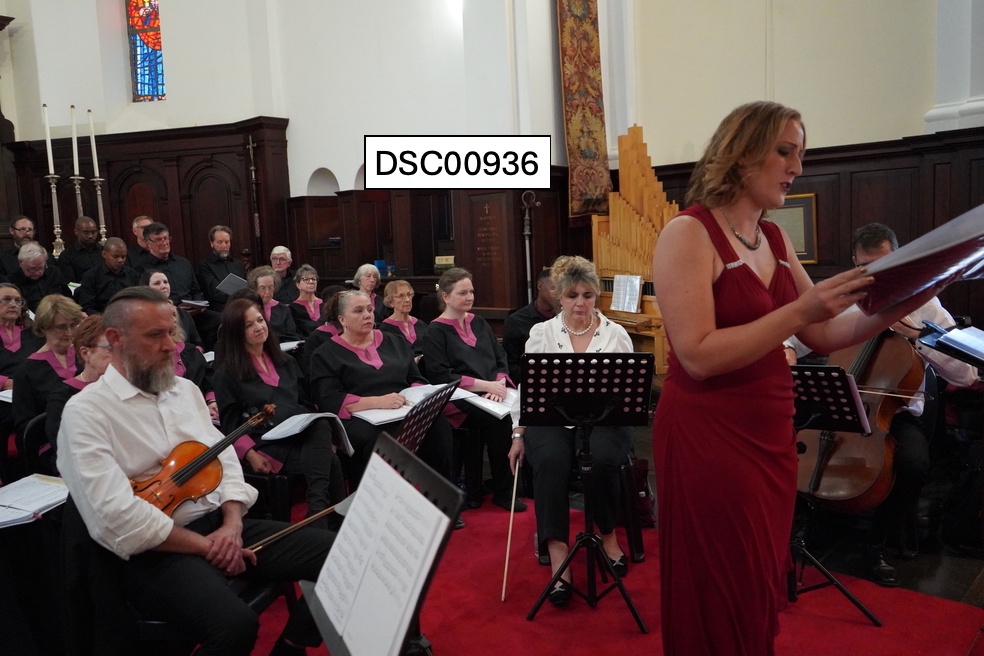
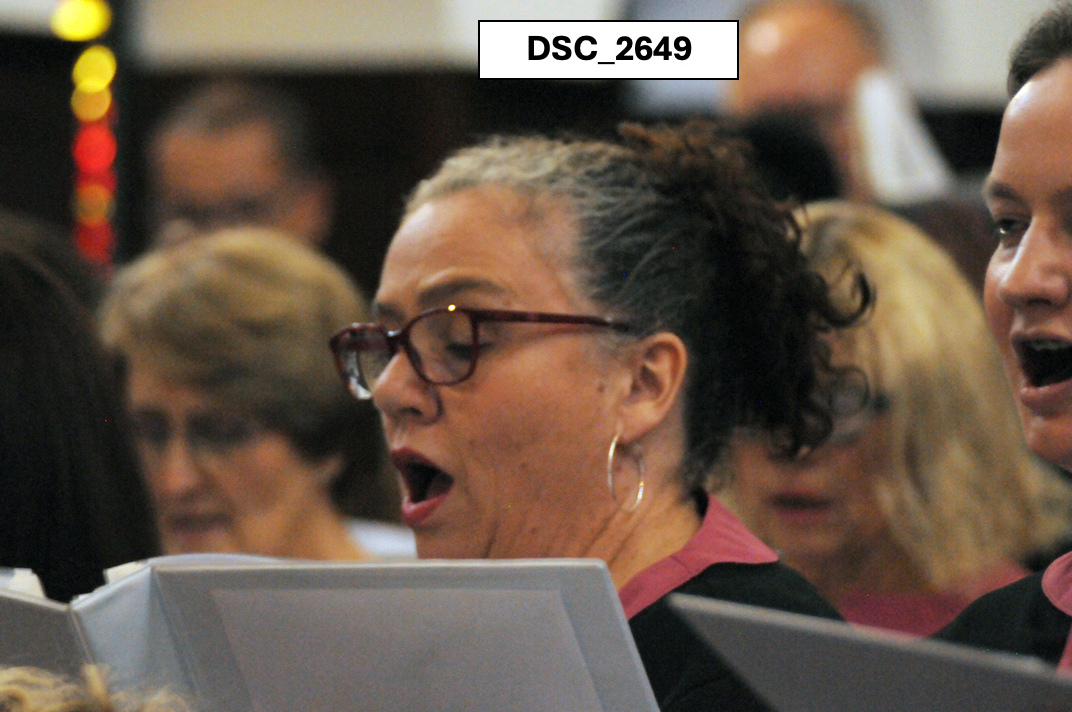
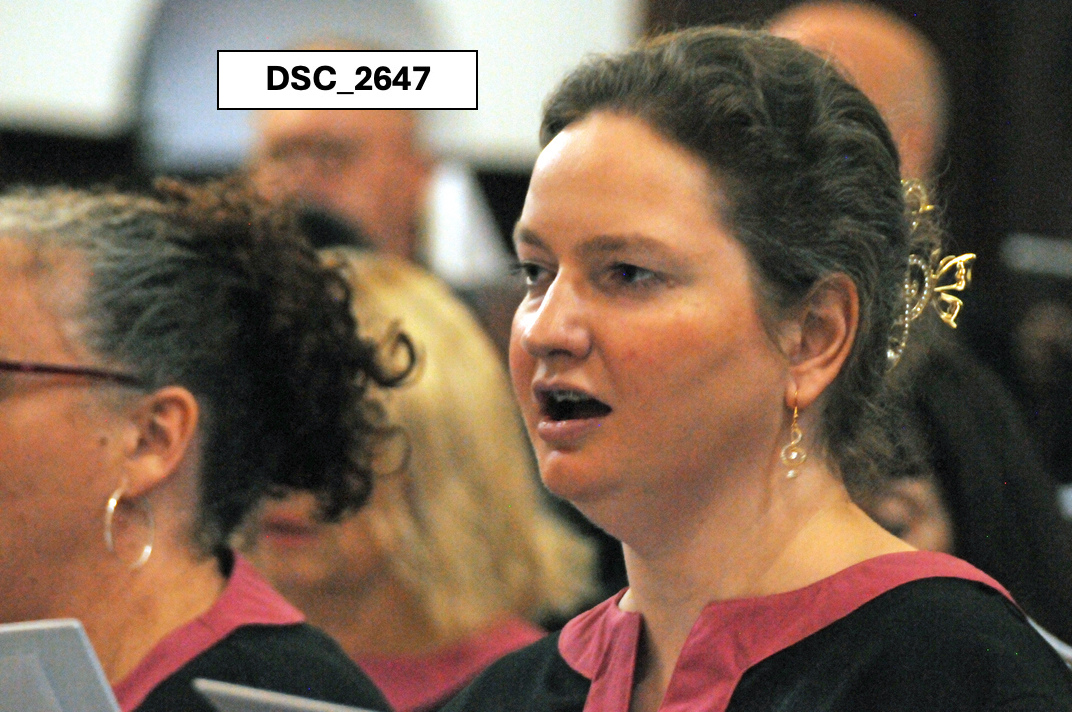
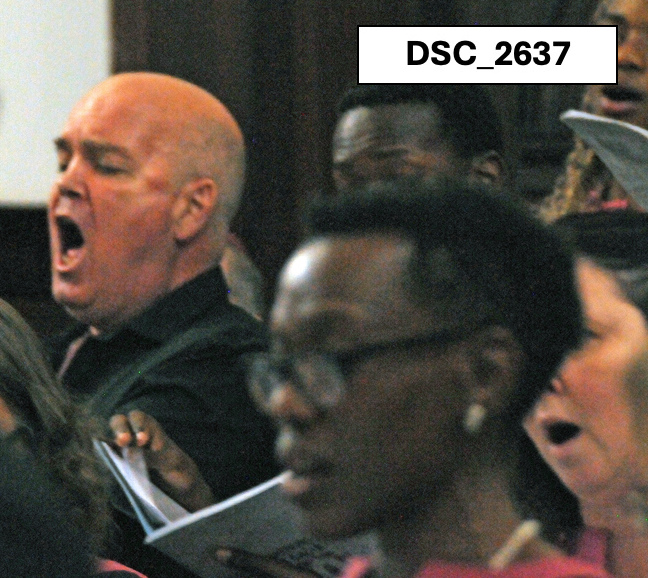
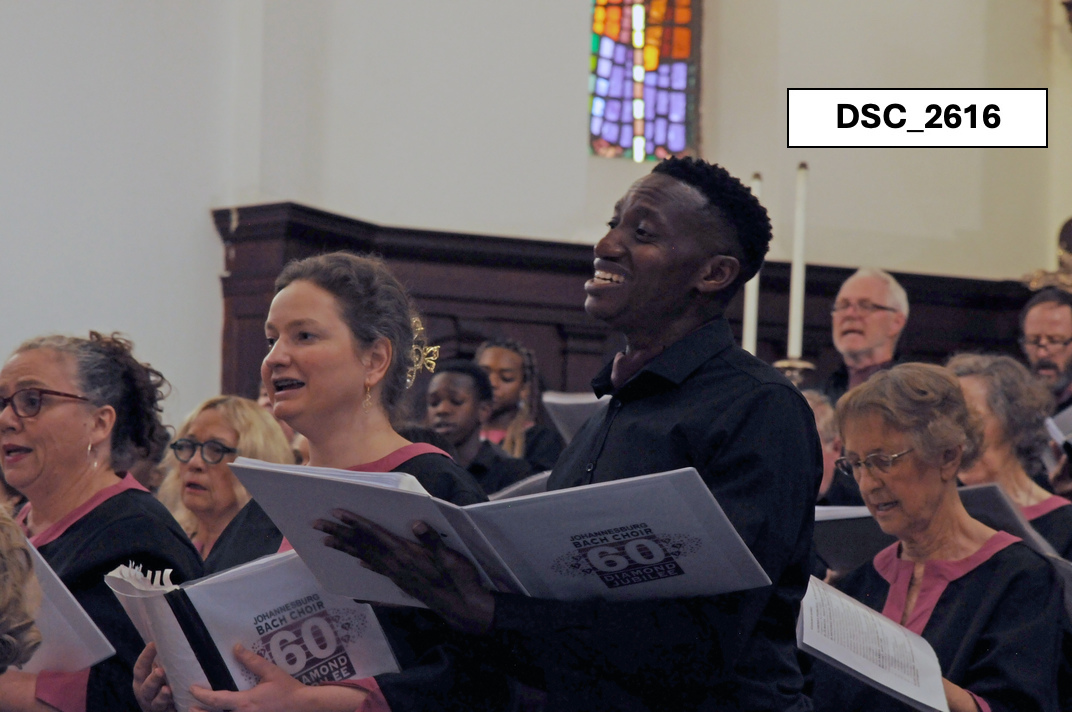
Gill joined the Johannesburg Bach Choir in 2018 as a soprano, inspired by fellow soprano Jennifer Thornton-Smith. Peter, a tenor, would initially accompany Gill to rehearsals. But he joined during the COVID-19 pandemic, finding joy in participating without a leadership role. Their clerical lives are intertwined with their musical interests. Gill, who is at present secretary of the JBC management committee, has improved her music sight-reading skills and both agree they enjoy works by Handel and Bach in particular.
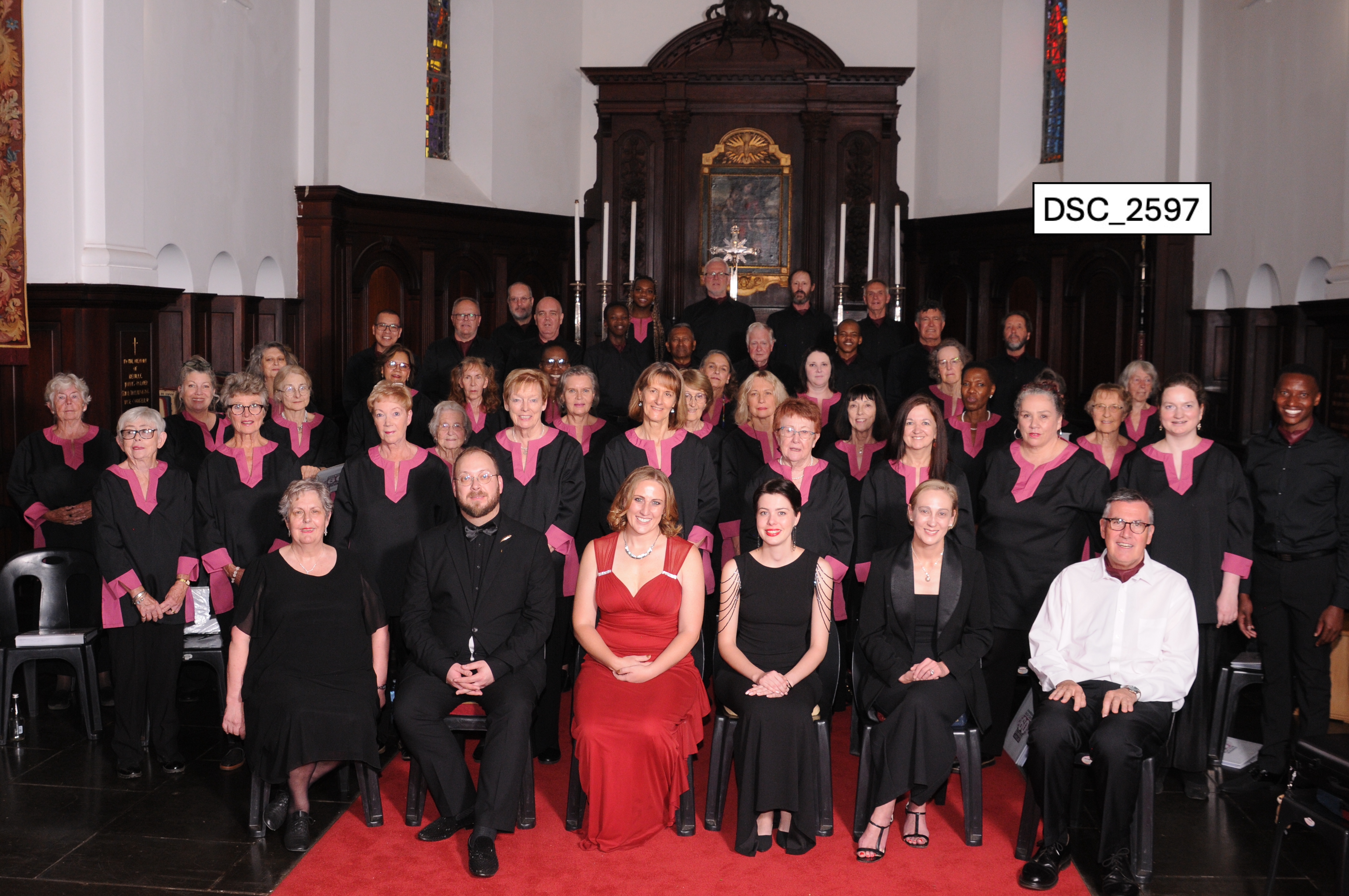
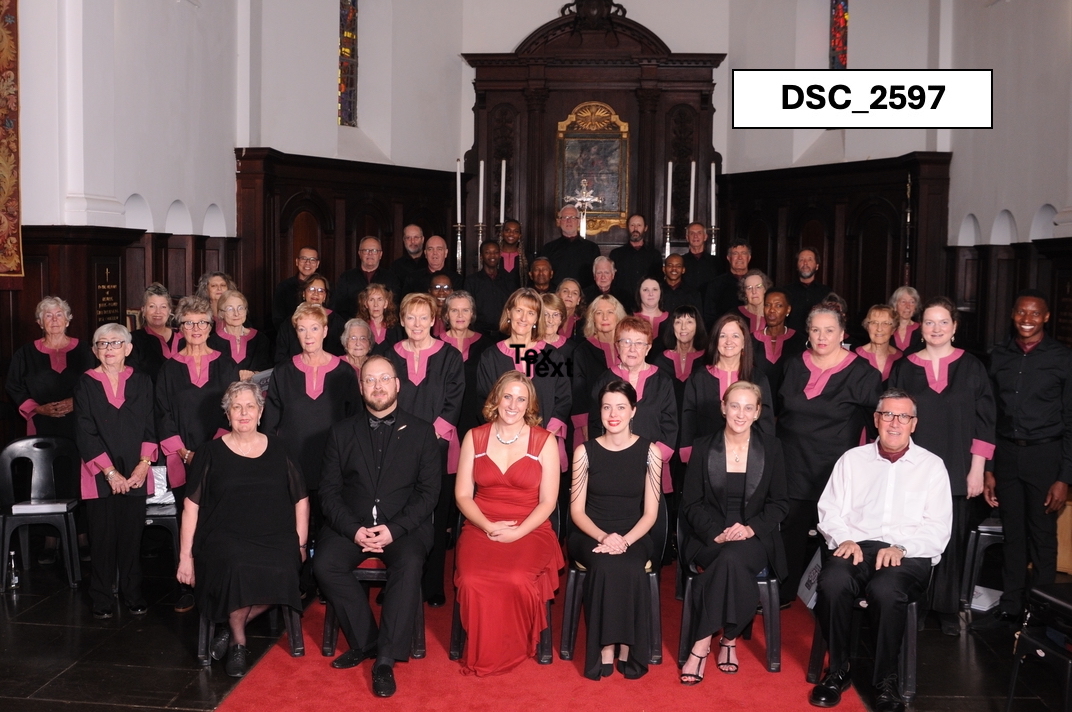
Gill describes the JBC’s focus on classical and Bach music as “a rarity among amateur choirs in Johannesburg”. Peter emphasises that music reflects and shapes society. He says that the choir’s evolving and diverse membership is a sound reflection of South Africa’s transition, adding that a younger and more diverse membership will be important for the choir’s long-term relevance. The couple’s grandson, Sam, attends the Drakensberg Boys’ Choir School and travels with their choir, showcasing a musical legacy passed down through the family. Peter and Gill hope the JBC continues to provide high-quality period music while representing a modern diversified society.
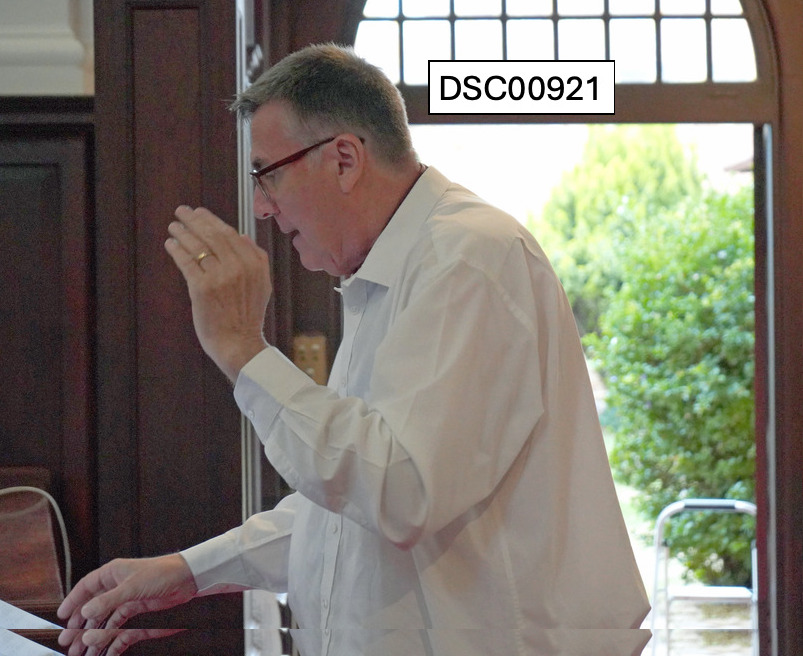
Peter enjoys the discipline of singing, which is a crucial part of his identity. Gill relishes the challenge of singing difficult pieces, with a rewarding recent performance of a challenging piece by CP Bach that she has unfortunately forgotten. They cherish the community and camaraderie in the choir, physical limitations of the members notwithstanding, with memorable moments including Christmas parties at choir director Tim Roberts’ home.
As with others in the choir, they love the South African “bush”. They say, “Nothing is better than getting up and going birding.” Gill also crochets and served as a director for a timeshare company.
- The Bach Blog is the official blog of the Johannesburg Bach Choir and is edited by Theo Coggin.
- Monde Ngwane is leader of the tenor section of the choir.
- Please “Like” The Bach Blog. You are welcome to share this Blog, and the many others that have been written during as we celebrate our 60th anniversary. They can be found by using this link: https://johannesburgbachchoir.com/2024/08/21/the-bach-blog-2/
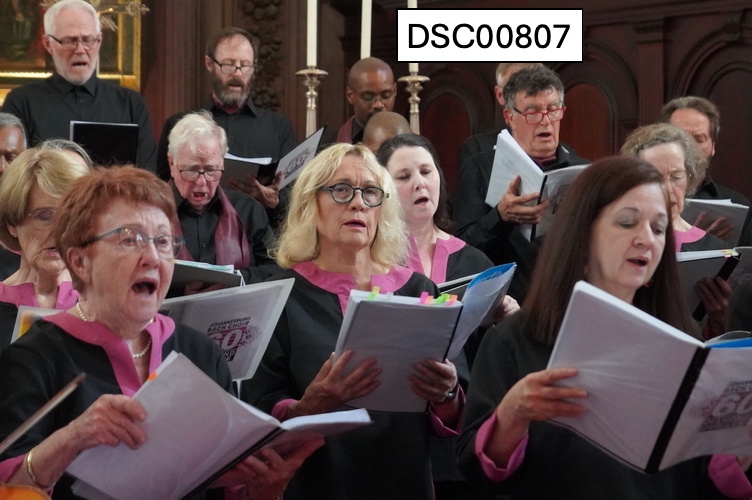
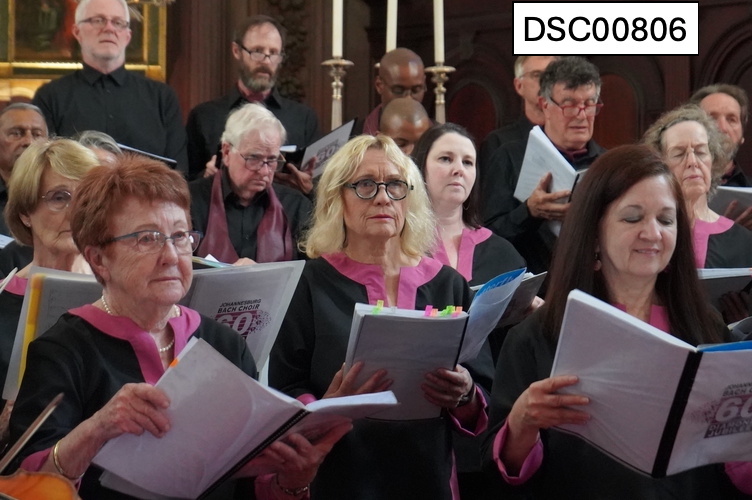














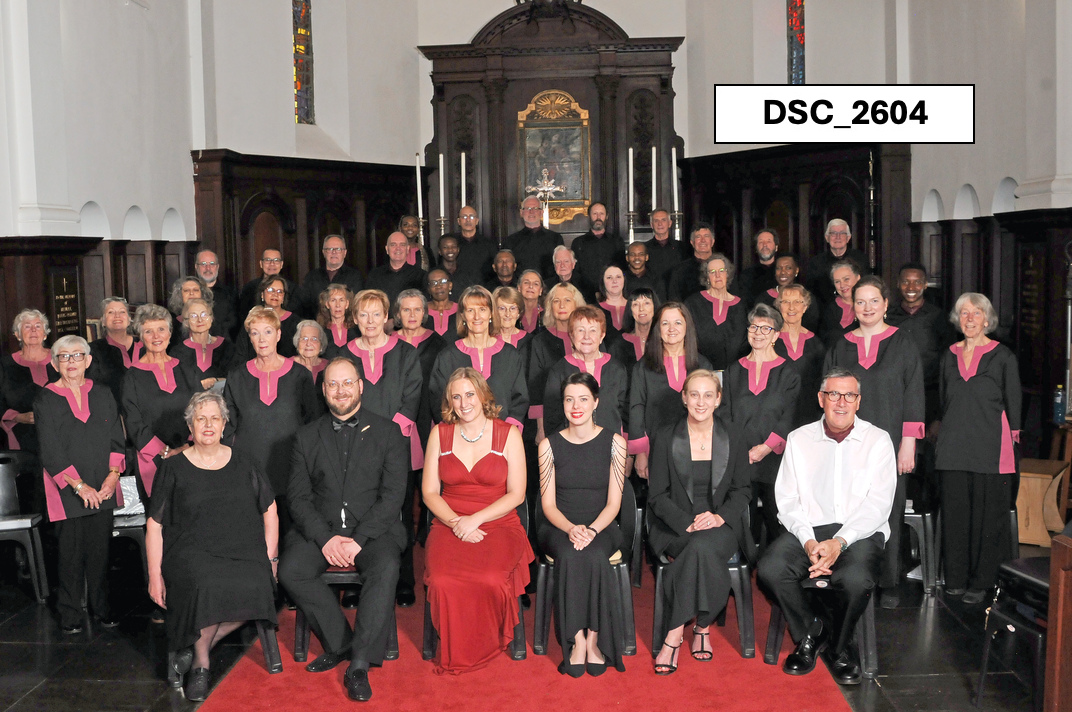
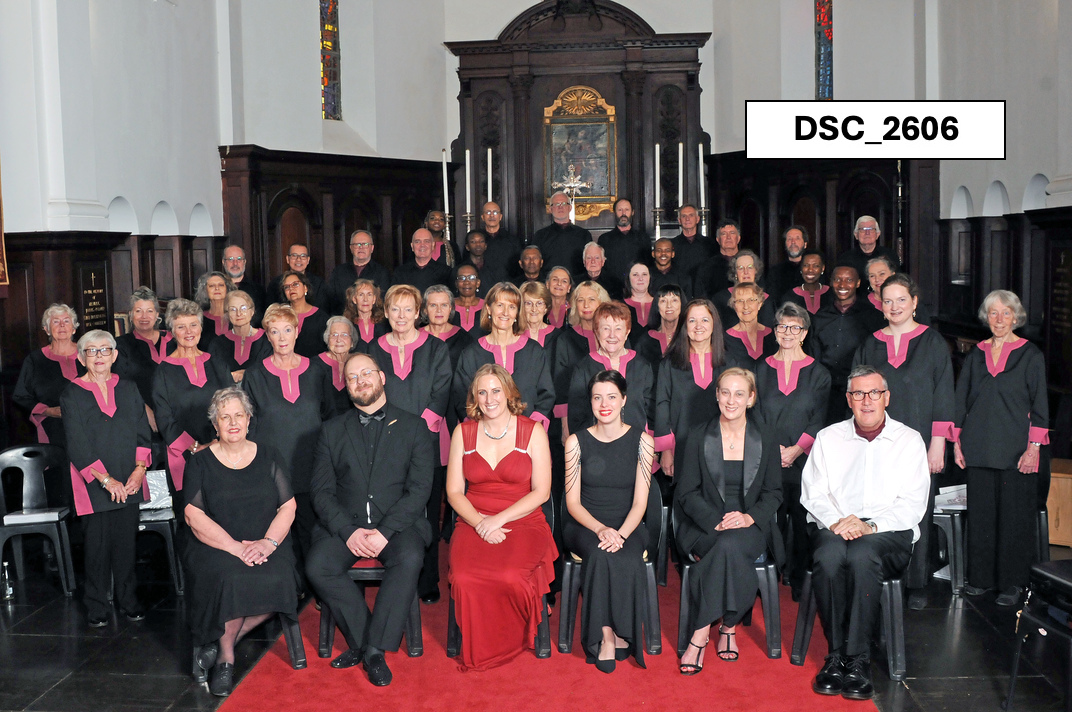
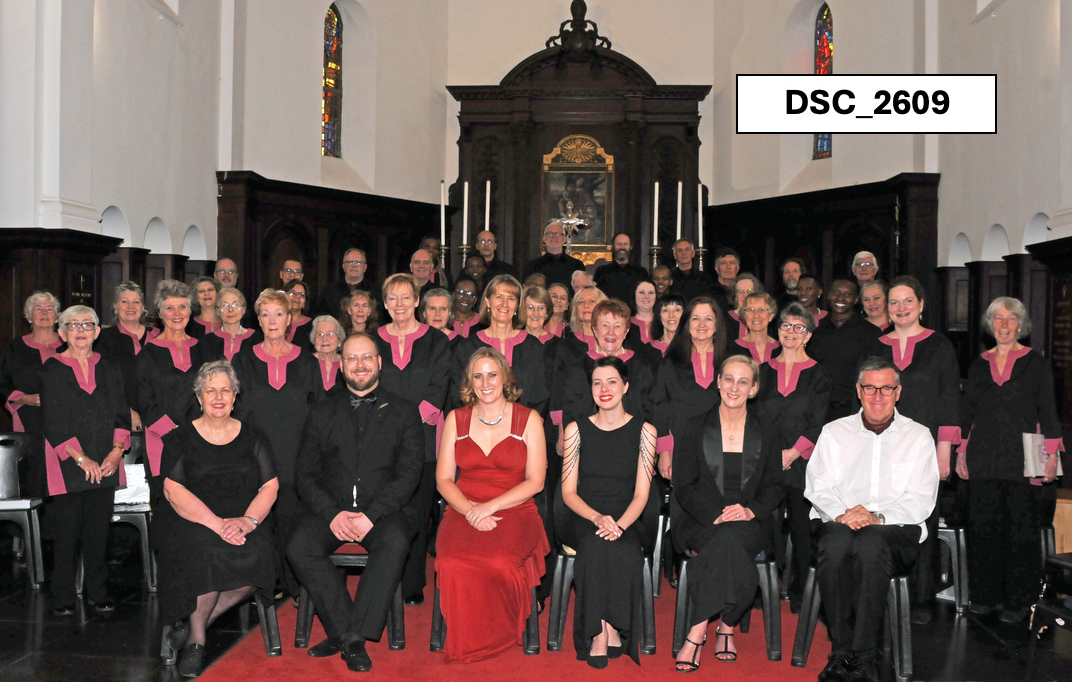

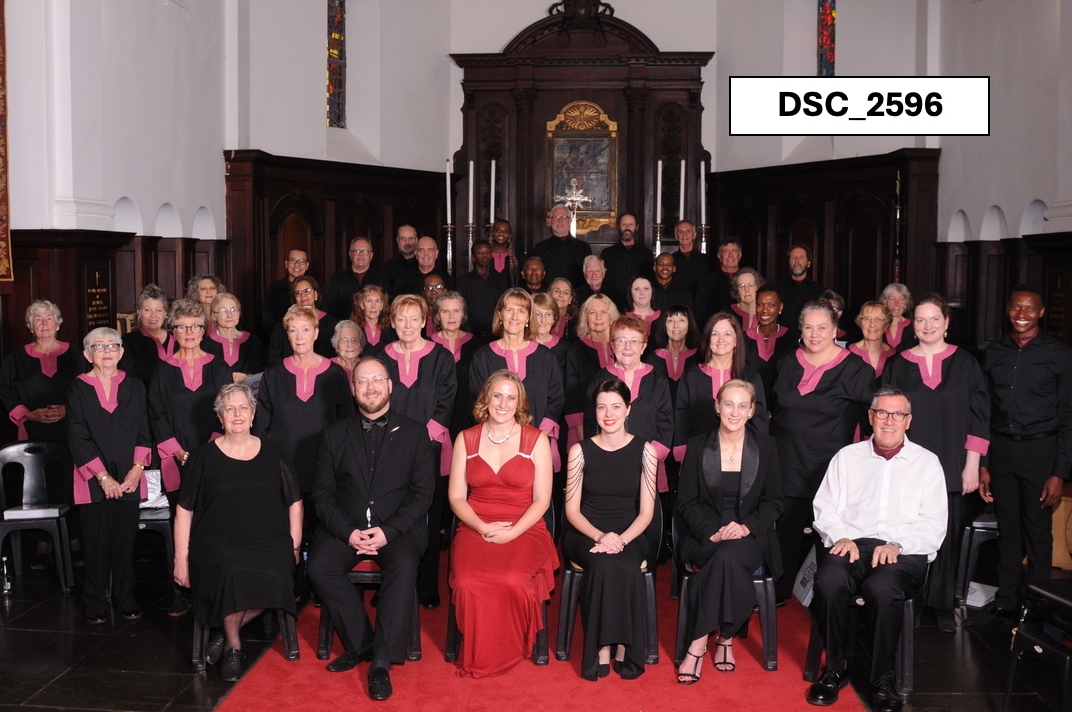
 The Johannesburg Bach Choir